- Acuharmony Acupuncture444 Washington Street
ste 510
Woburn,Ma 01801
781-279-2727 - Sign up to receive news and updates and get my free report:“The Top 10 Reasons to Try Acupuncture”


Latest Articles:
- • Outdoor Activities Best Enjoyed During Spring •
- • The Health Benefits of Spring Cleaning •
- • Delicious Recipes Using Spring Fruits and Vegetables •
Traditional Chinese Medicine
Five Acupuncture Points for Spring
Spring is the season of growth, regeneration, increased activity and new beginnings. During the season of spring, people experience many changes. Allergies, high blood pressure, headaches, sinus pain and congestion, anger, irritation and tendon problems are just some of the issues common to the spring months. Many of these problems can be attributed to increased wind in the environment. And while there is nothing that can be done about external wind, internal wind can be addressed and diminished using Traditional Chinese Medicine (TCM) and the many modalities it incorporates. continue reading
Mental/Emotional Aspects of The Heart
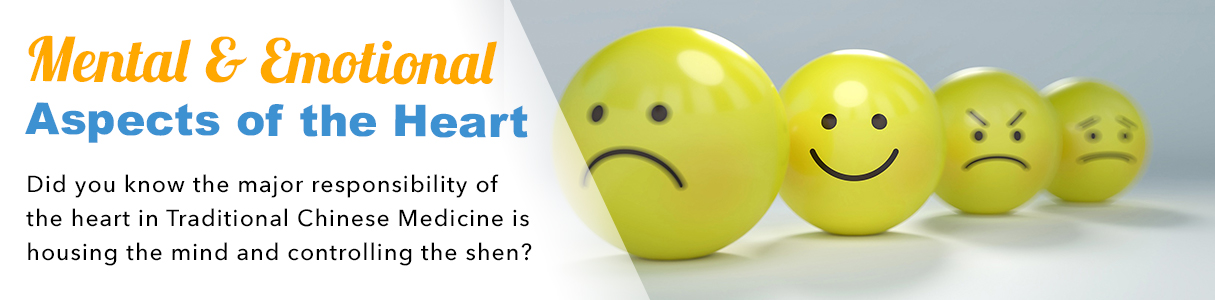
The major responsibility of the heart in TCM is housing the mind and controlling the shen. “Shen” can be seen as the overall healthiness of the mind. When you look at a healthy person in good spirits, you know how you can see that in their eyes? There is a certain bright clarity and sense of health that shines from within. We acupuncturists would say that this person has good shen. continue reading
Physical Aspects of The Heart
 In Traditional Chinese Medicine, the heart is the organ most closely linked to emotion. Think about all the terms we use every day to describe our state of mind: “heartsick,” “heartbroken,” “heartache” The heart is not the director of subtlety; the emotions it encompasses seem to always be on the far end of the spectrum, either extreme sadness or extreme joy. continue reading
Why am I so cold?
Everyone feels cold sometimes, but some people are perpetually chilled to a point where it interferes with their lives.
From a Traditional Chinese Medicine perspective, there are two different kinds of cold in the body: full cold and empty cold. Full cold refers to a condition where there is an excess of cold-type energy in the body leading to a feeling of cold, and most likely other health problems, as well. The other kind of cold is empty cold. This means there is not an abundance of cold energy but rather a weakness of the warm fiery energy. When there isn’t enough warmth in the body, you will feel cold – not because the cold is so strong, but because you don’t have enough fire to balance it out.
Full cold
As mentioned, a full cold condition refers to an over-abundance of cold type energy in the body. This is often an acute case and may relate to being outside on cold weather, or exposing a certain area of your body to cold water, cold wind or cold weather. Symptoms really depend on the location of the cold in the body.
For instance, you might feel really cold when you are coming down with a cold virus. From a TCM perspective, this is cold being trapped under the skin or in certain channels on the back of the neck. Other associated symptoms may be a stiff neck, a runny nose or an occipital headache.
Full cold can also lodge itself in the digestive system – this may happen following a meal of cold food, drinking cold beverages in a cold environment or following exposure to very cold temperatures. Full cold in the digestive system can lead to a feeling of cold, as well as painful cramping, diarrhea or loose stools and pain in the abdomen.
Another common site of a full-cold condition is the uterus. This can be from exposure to cold temperatures such as swimming in cold water or sitting on a cold surface. Certain gynecological procedures can also introduce cold into the uterus. This type of cold manifests as a feeling of cold, particularly with the period and very painful cramping before and during the period. There will likely also be clots and possible problems with fertility.
All of these full-cold conditions can be avoided by limiting exposure to cold environments and cold foods. Also introducing heat internally through teas, soups and warming herbs can help.
Empty cold
In TCM, health is a state of balance between yin and yang. Yin refers to the cool, watery, passive parts of our physiology, whereas yang refers to the hot, fiery, active parts. When the yang energy is weakened, there isn’t enough fire to balance out the cool and watery yin. This leads to a pervasive feeling of cold that is hard to shake, even with lots of blankets and warm drinks. This is someone who always feels chilled, no matter what. There may be other symptoms, as well, such as loose stools, a lack of energy or motivation, wanting to sleep all the time or fluid accumulation. Yang deficiency cold often requires use of herbal medicine, acupuncture, and moxa to treat appropriately.
While these are the main reasons for feeling cold, there are two other energetic imbalances that can also lead to feeling cold – Qi stagnation and blood deficiency. When Qi is stuck, circulation is impaired and heat can’t get to our extremities effectively. This kind of cold often manifests as very cold hands and feet. It can be helped by regular exercise, reducing stress and limiting heavy foods. A weakness in the blood energy of the body leads to a low-grade constant feeling of cold less severe than a yang deficiency cold, but still pervasive and consistent. It can be helped with getting enough sleep, reducing stressors and eating a well-balanced diet of blood-nourishing foods.
The Bladder in Chinese Medicine
In Traditional Chinese Medicine, the bladder is one of the six yang organs, paired with one of the six yin organs. The yin organs store vital substances (such as Qi, blood, yin, and yang), whereas the yang organs are more active and have a function of constantly filling and emptying. The bladder is a perfect example of a yang organ. Its main physiological function is to remove water from the body in the form of urine. To do this, the bladder uses Qi (energy) and heat from its paired yin organ, the kidneys. continue reading